The reported death of Mina Chan, a 26-year-old Japanese fan of K-pop group ENHYPEN, has sent shockwaves through online fan communities and reignited discussions about cyberbullying, harassment, and the pressures created by toxic fandom culture.
According to widely circulated reports, Mina, who was known online for her support of ENHYPEN member NI-KI (Nishimura Riki), died after what has been described as a self-harm incident. While the reports have spread rapidly across social media, some details surrounding her death have not been independently confirmed by authorities or her family. Nevertheless, the news has prompted an outpouring of grief and renewed calls for greater compassion in online communities.
Mina, often recognized by fellow fans as “Mina Chan,” had built a significant following through her K-pop content, amassing more than 80,000 followers on TikTok. She was well known within the ENHYPEN fandom for attending fan-signing events, concerts, and sharing videos celebrating the group’s music and activities.
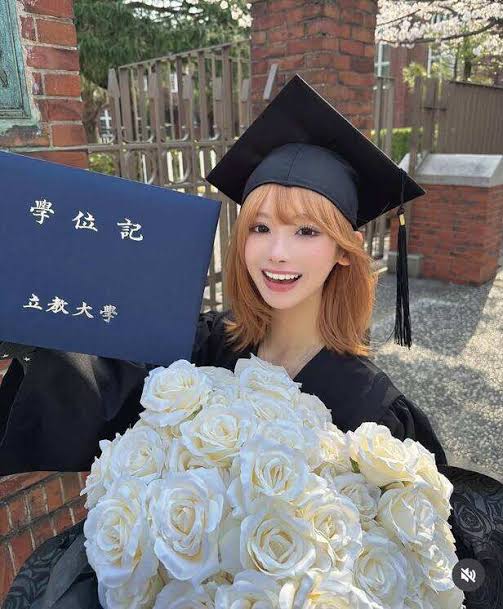
Reports indicate that Mina had recently graduated from Rikkyo University and was living in Seoul’s Yongsan District, where she remained active in the K-pop fan community.
The controversy reportedly began following an ENHYPEN concert in late July. According to accounts shared online, Mina had hoped that ENHYPEN member Sunoo (Kim Seon-woo) would pass a sunflower prop to NI-KI during a performance. Although Sunoo reportedly attempted to hand the flower over, the exchange ultimately did not take place.
Following the concert, NI-KI spoke during a livestream, encouraging fans to focus on enjoying ENHYPEN’s performances rather than seeking individual interactions. While he did not identify any specific fan, speculation quickly spread across social media that his remarks referred to Mina.
That speculation reportedly triggered a wave of online criticism directed toward her. According to multiple reports, she became the target of harassment, with some users accusing her of seeking attention and criticizing her past interactions with the group.
Reports state that Mina later issued a public apology and announced she would step back from participating in fan-related activities.
Despite her apology, the online criticism reportedly continued. Friends and fellow fans said she remained the subject of negative comments and sustained harassment across social media platforms.
According to reports circulating online, Mina later appeared in a livestream involving an apparent self-harm incident. She was subsequently reported to have died. At the time of writing, authorities have not publicly released comprehensive details regarding the circumstances of her death, and official confirmation from her family has been limited.
News of Mina’s reported death has prompted widespread reflection within the K-pop community about the effects of online harassment and the responsibilities of fan communities. Many supporters have expressed heartbreak while calling for greater empathy, emphasizing that disagreements within fandoms should never escalate into personal attacks or sustained harassment.
Mental health advocates have also pointed to the incident as another reminder of the emotional toll that cyberbullying can have, particularly when criticism becomes widespread and relentless. Across social media, thousands of fans have shared tributes remembering Mina not simply as a fan, but as a young woman whose passion for music connected her with others around the world.
Regardless of differing opinions within fan communities, many have stressed the importance of treating others with dignity and kindness. The reported tragedy has become part of a broader conversation about the pressures created by social media, parasocial relationships, and the need to foster healthier online spaces where people can participate without fear of harassment or abuse.
As those who knew Mina mourn her reported passing, many hope her story will encourage greater awareness of cyberbullying and inspire more compassionate interactions within online communities.
If you or someone you know is struggling with thoughts of self-harm or suicide, reaching out to a trusted friend, family member, or a qualified mental health professional can make a difference. Support is available, and no one has to face these challenges alone.